
"By acknowledging my colonial history, I’ve been able to address how white supremacy is deeply imbedded in my ways of knowing and have committed to doing the work of decolonization personally and professionally."
— Shaunna Dunn —
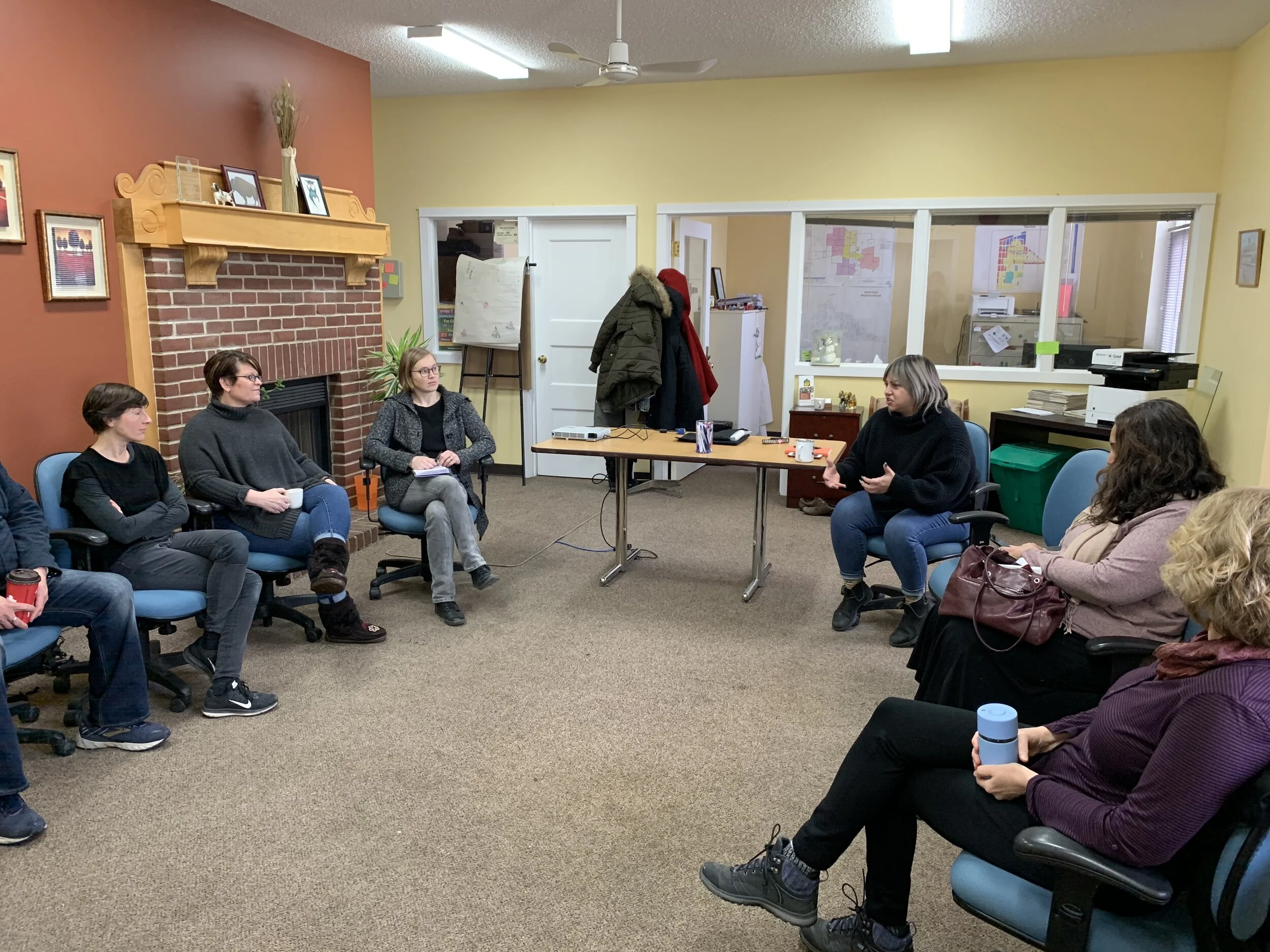
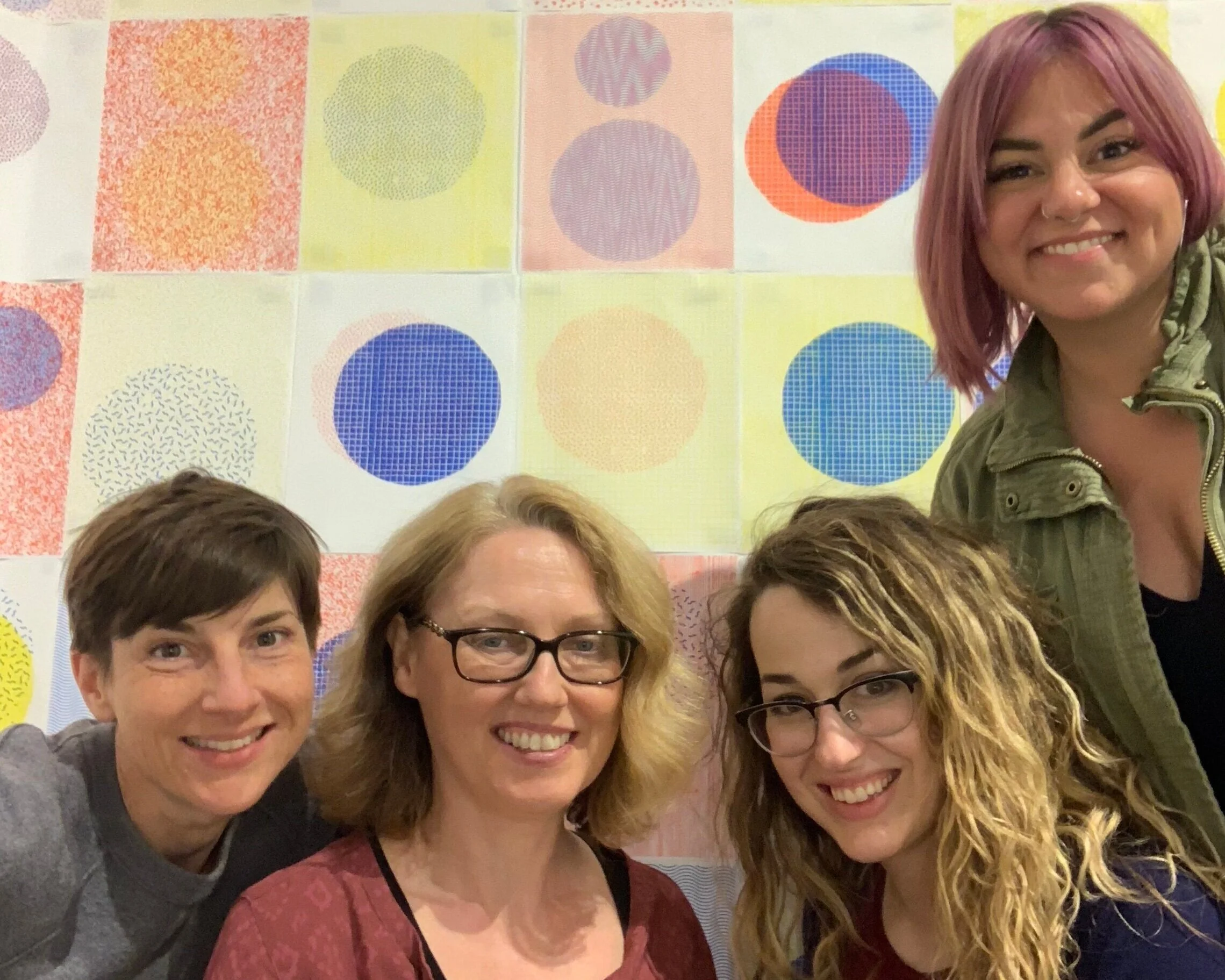
As part of our ongoing commitment to decolonizing our organization’s approach and practices, our team has been committed to opening a dialogue around (re)conciliation, systemic racism, and other systems of oppression that affect our society.
In addition to immersive professional development opportunities, our organization provides staff and artists with opportunities to continue to advance in many areas. In 2019 alone, our staff attended training in areas like arts leadership, fundraising, and social media marketing. As an organization, we dedicate time and resources to formal professional development opportunities for each member of our team, as well dedicating time in our regular work schedule at our staff meetings to continue to facilitate these important transitions. Throughout all our work, the Common Weal team remains committed to the parallel personal and professional work necessary to decolonizing our practices. Inspired by Megan Evan’s My Acknowledgement of Country, presented at the AANZ Conference which we attended during our trip to Australia, the team began an exploration of our own histories and ways in which we have benefited from the continued oppression of Indigenous peoples upon our return.
This led to making space on an organizational level to prioritize learning through collectively reading and discussing resources at our bi-weekly staff meetings. At the end of this year, we’re halfway through Reclaiming Power and Place: The Final Report of the National Inquiry into Missing and Murdered Indigenous Women and Girls and continue to offer everything from novels to blog posts to national news stories for discussion as a team.
While doing this work, we’ve come to understand Common Weal’s role in this community as holding space for relationships to bloom, weaving together interdependent networks that prioritize care and resiliency. Relational aesthetics are at the core of socially-engaged practice. Thus, socially-engaged practitioners are, perhaps, uniquely positioned to respond to the demands of decolonization across all sectors in the arts. This work needs to be done not to be included as a buzzword or to check a box but as a genuine commitment to our own unlearning. Each of us. Executive Director Risa Payant says, “I’m grateful to be part of a team equally committed to stumbling through this work with me, amplifying the voices that have been shouting this for years and dedicated to our own processes of unlearning.”
professional development hours 2019
• XXLocations
• banff
• Montreal
• reginasome of our resources
• decolonizing wealth
• my acknowledgement of country
• Reclaiming Power and Place: The Final Report of the National Inquiry into missing and murdered indigenous women and girls
• Whose Land is it Anyway: A Manual for Decolonizationfunders
• banff centre for arts and creativity
• Saskatchewan arts board